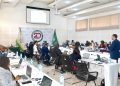




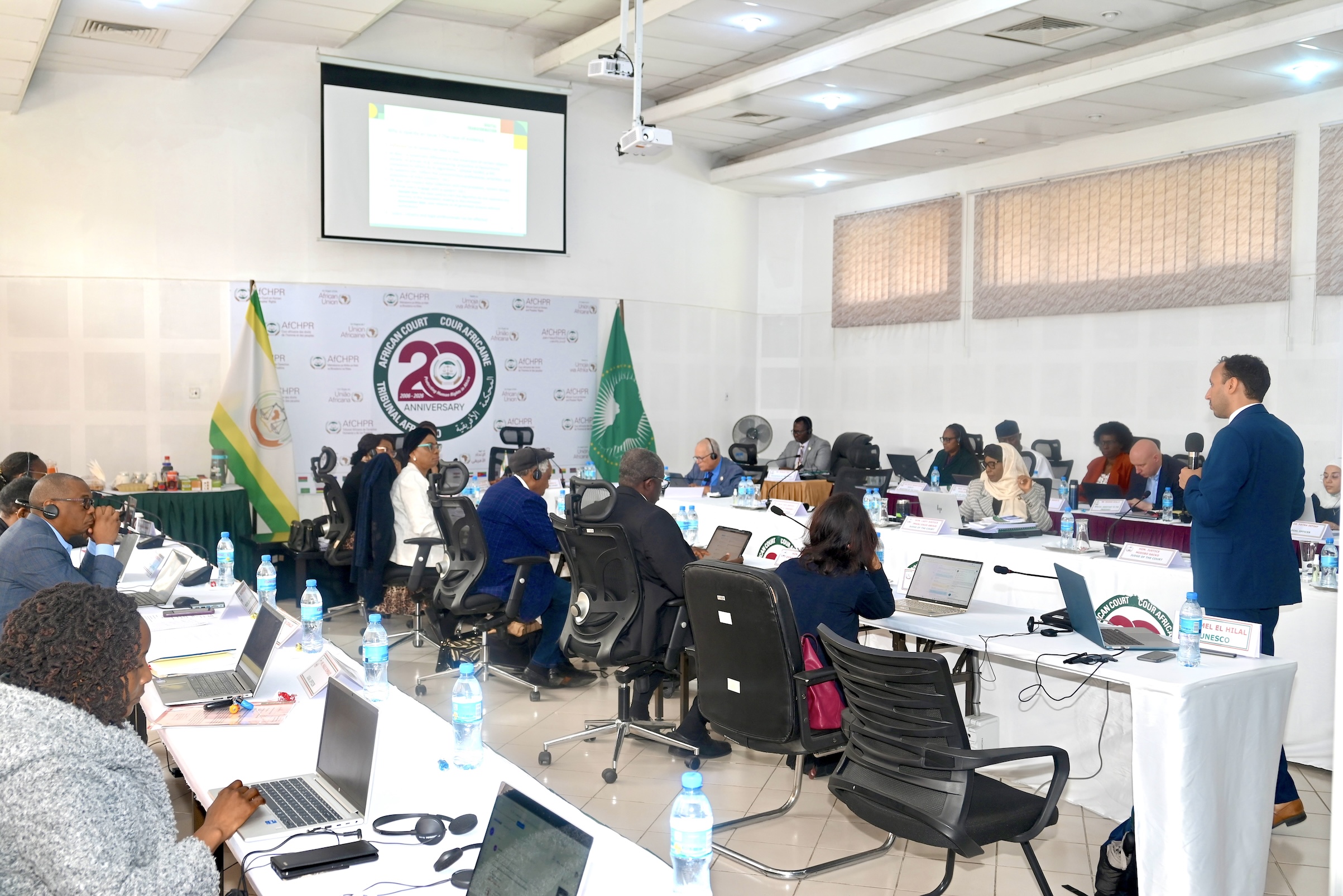
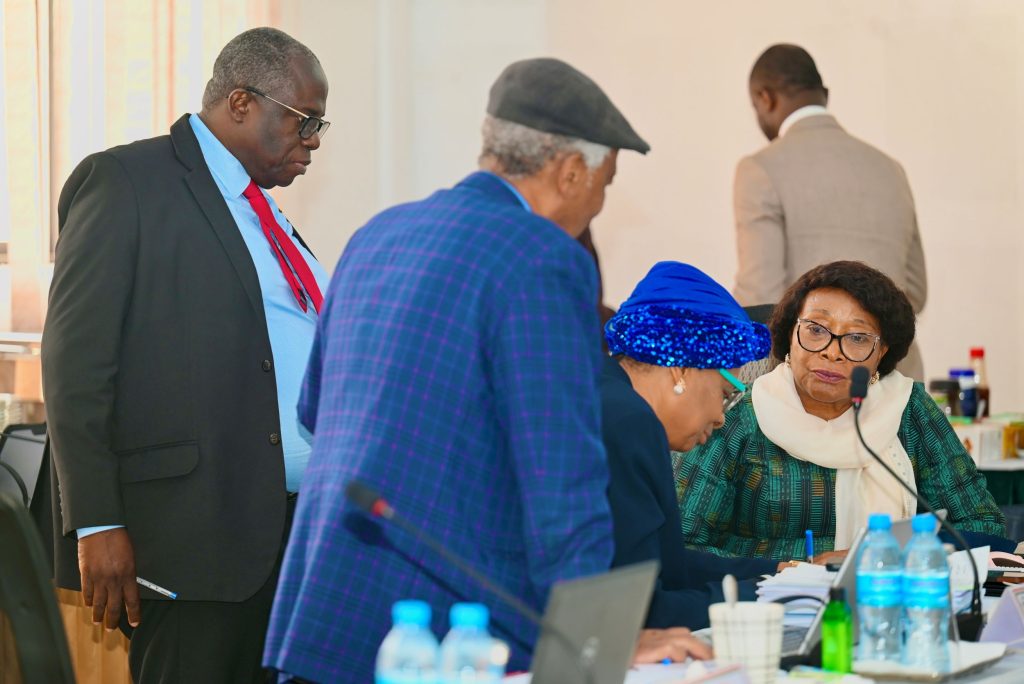
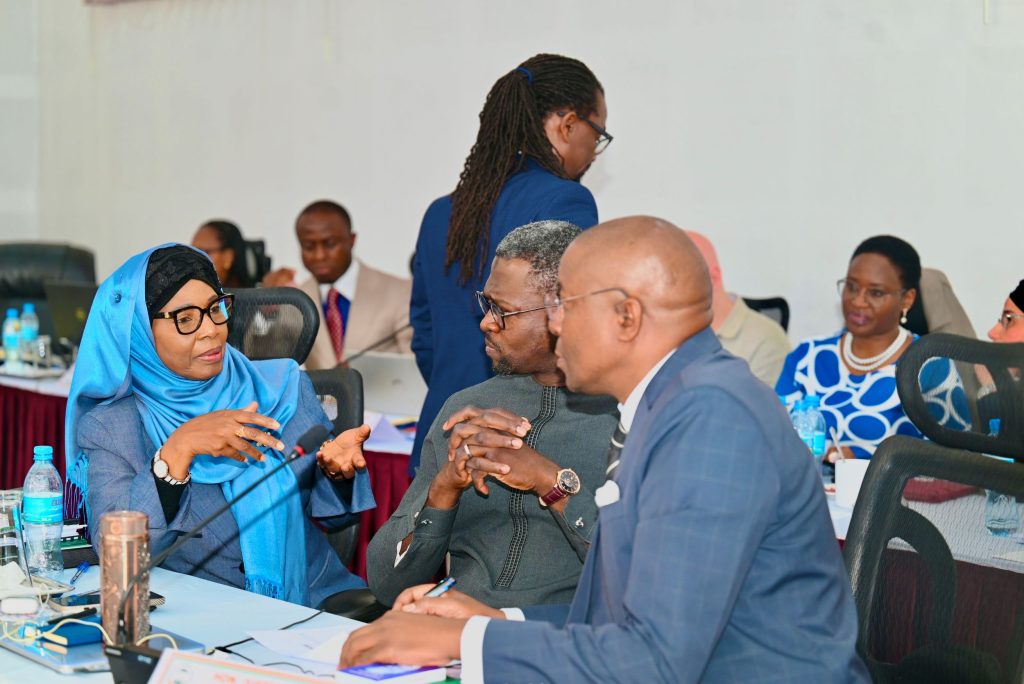
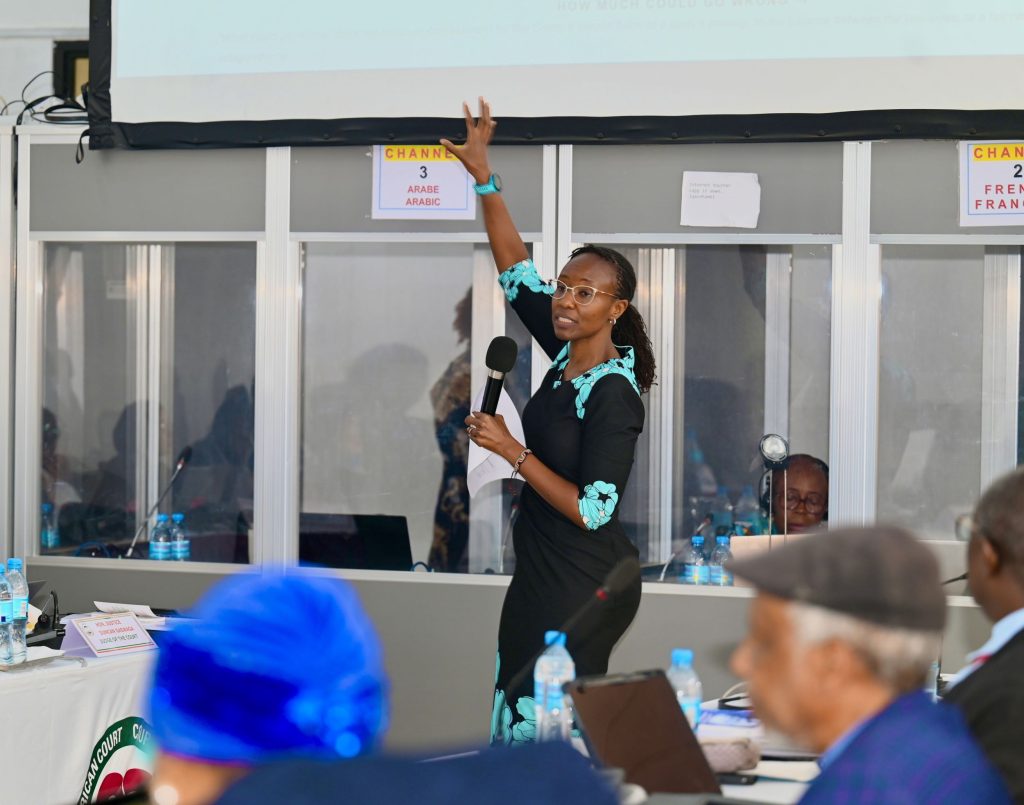
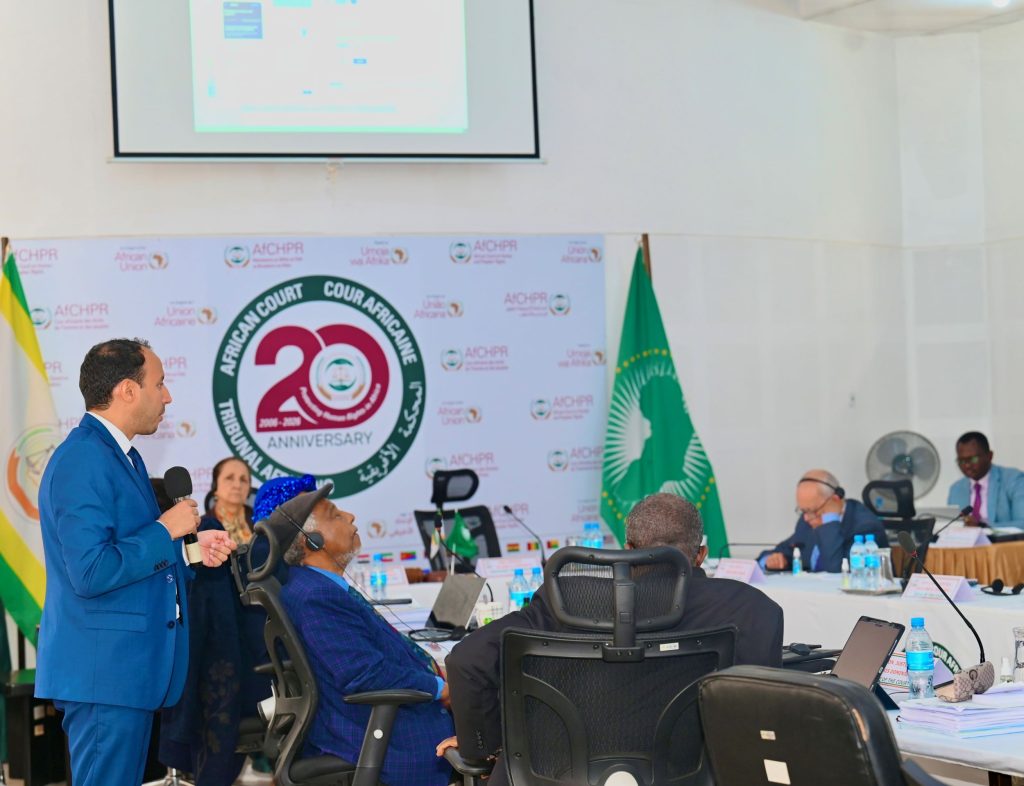
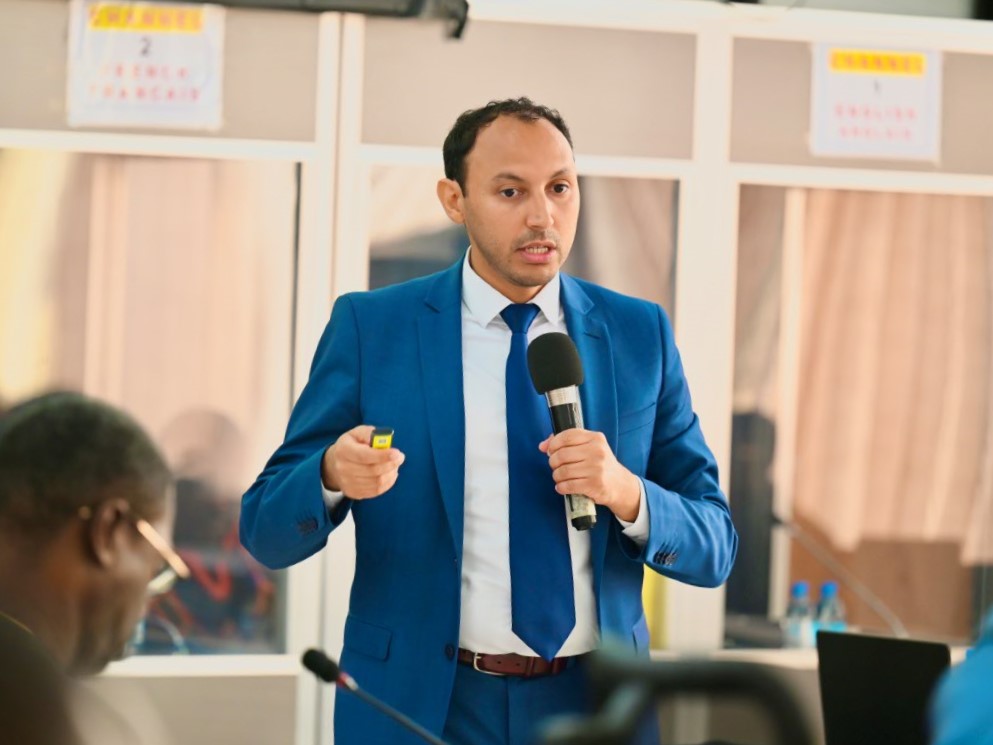
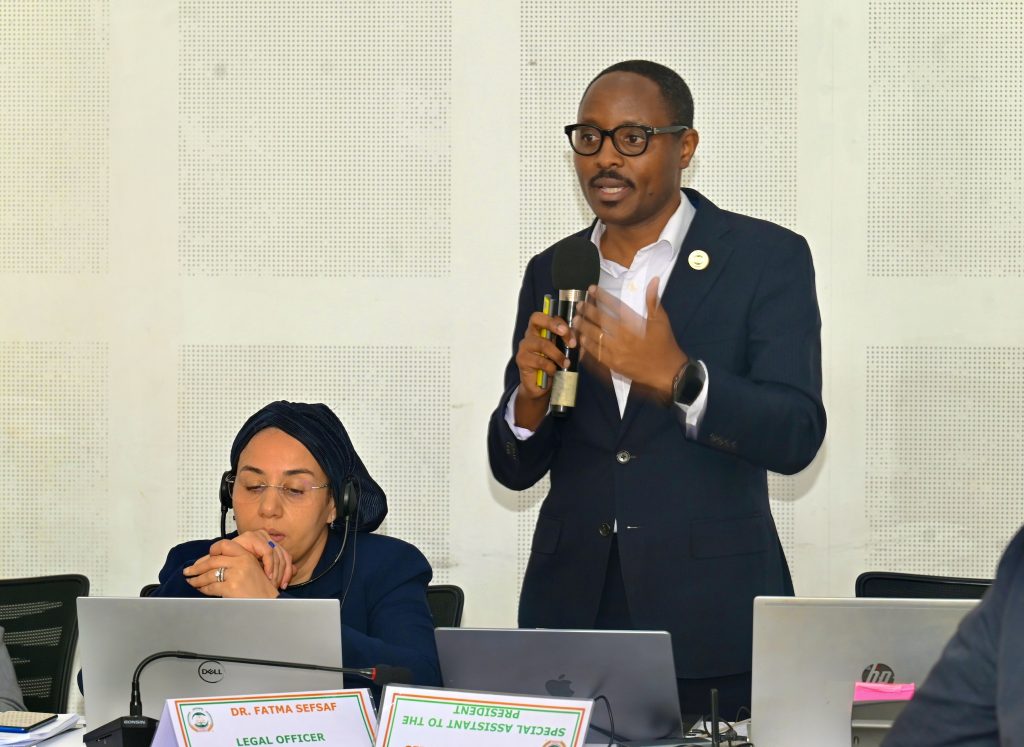
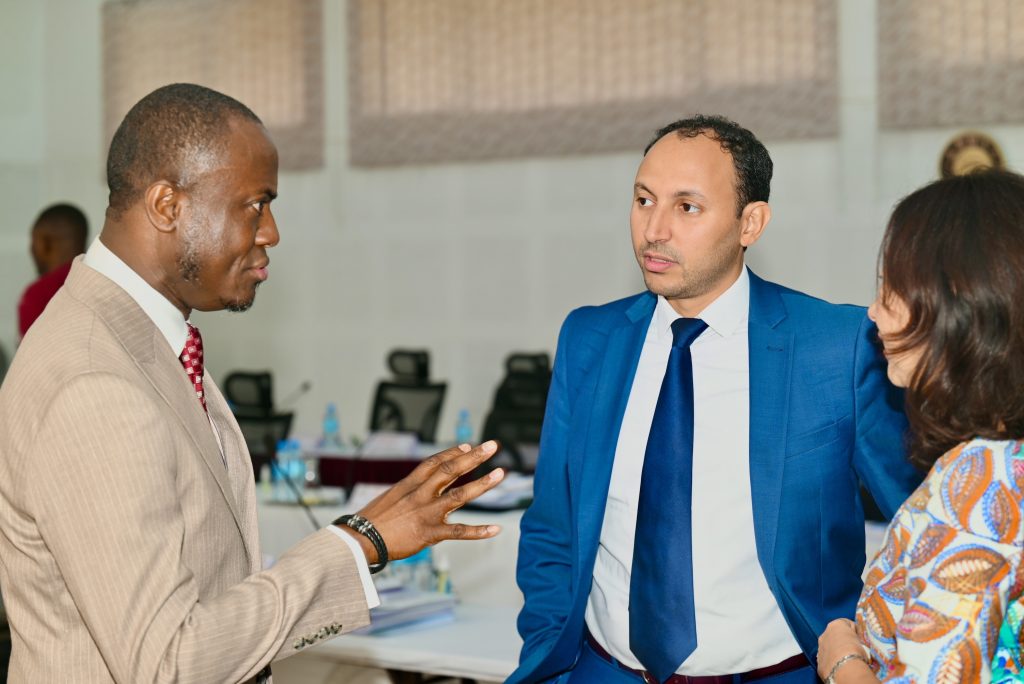
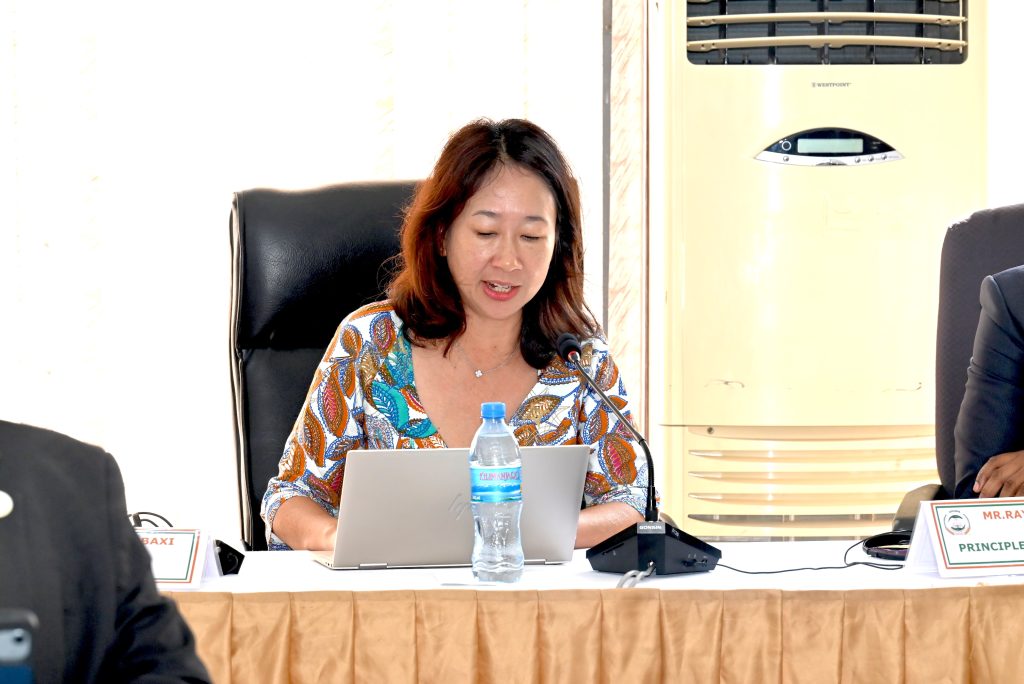
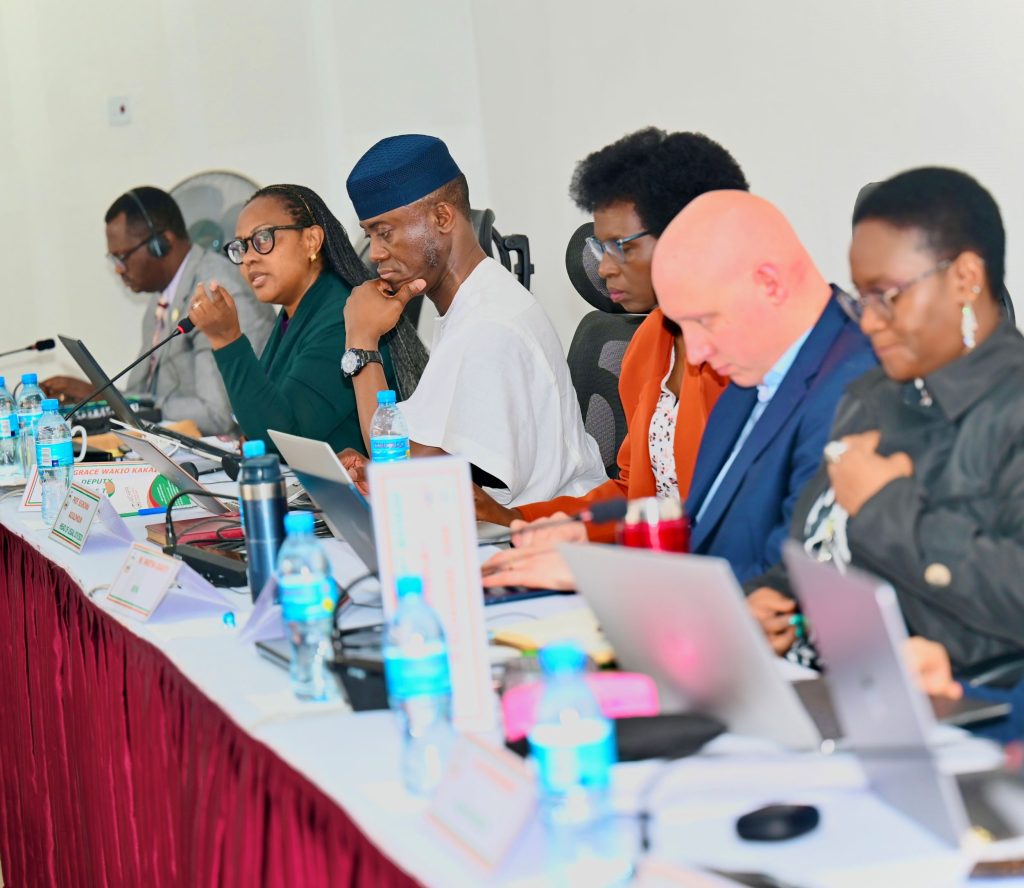
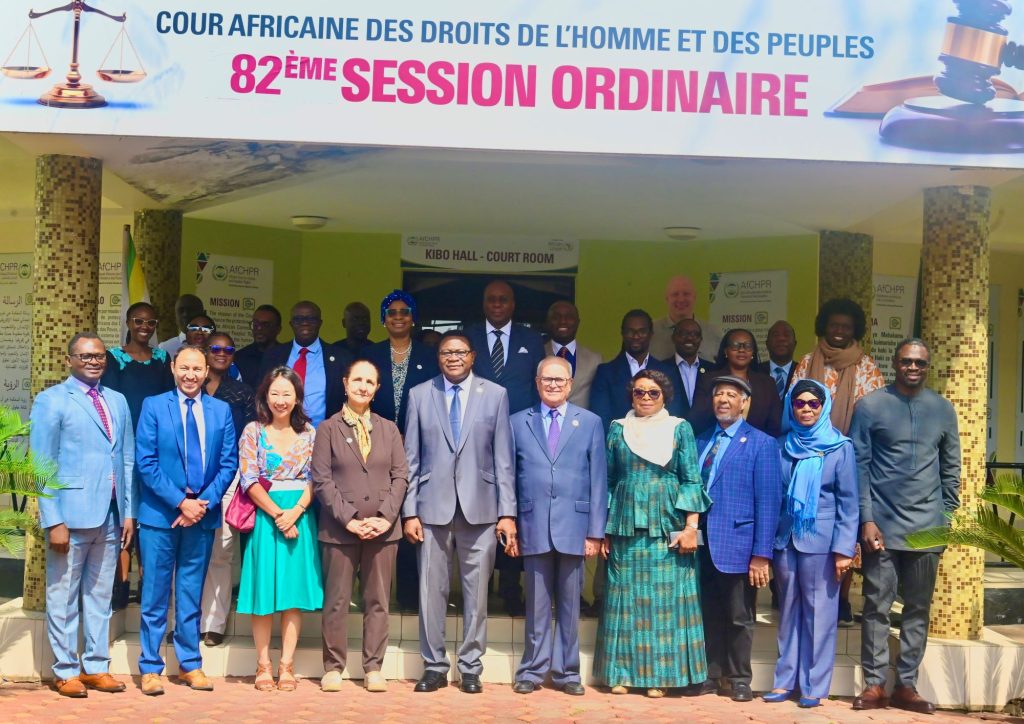
Arusha, 16 September 2026: The African Court on Human and Peoples’ Rights (AfCHPR) in collaboration with the United Nations Educational, Scientific and Cultural Organization (UNESCO), is holding a four-day capacity-building seminar on Artificial Intelligence (AI) and the Rule of Law at the seat of the Court in Arusha, United Republic of Tanzania.
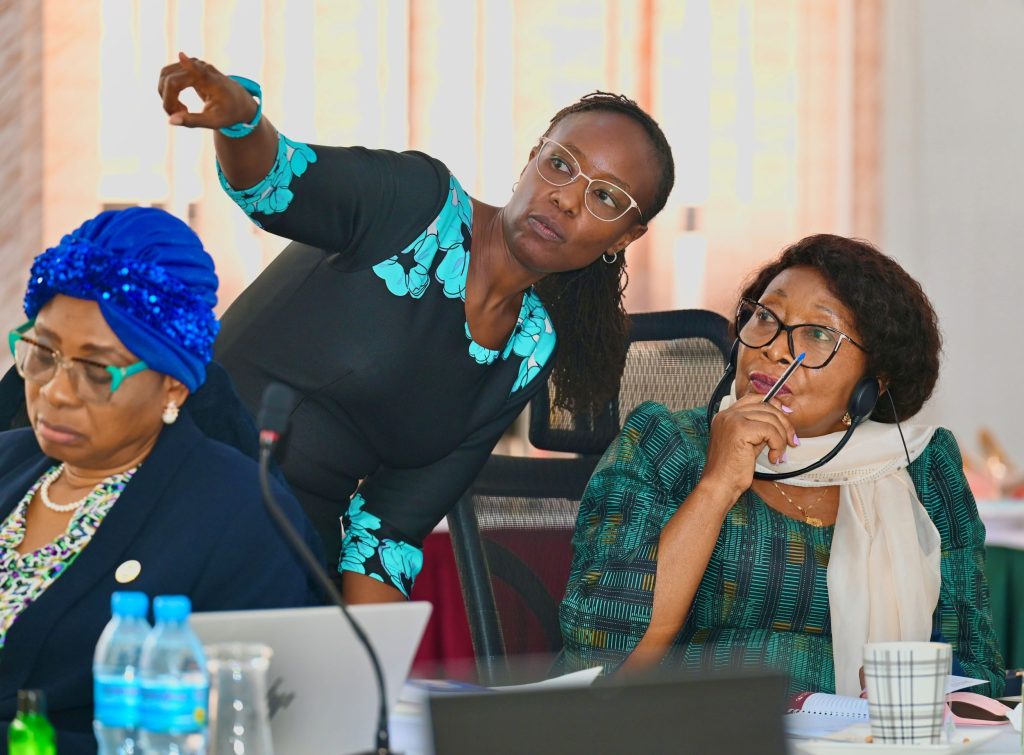
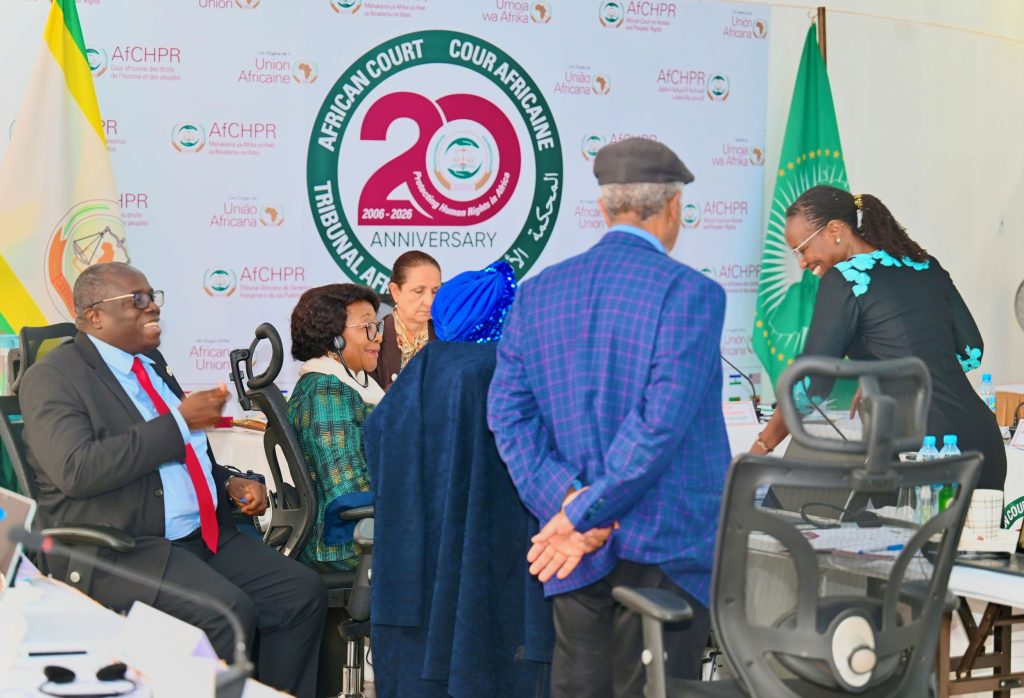
The training is taking place during the Court’s 82nd Ordinary Session, which runs from 31 August to 25 September 2026. It brings together over 50 participants, including Judges, Legal Officers and officers from the Court’s Language, Documentation, Library, Communication and IT Units.
The programme, based on UNESCO’s Global Toolkit on AI and the Rule of Law for the Justice Sector, aims to strengthen the Court’s capacity to use AI responsibly, improve access to justice and judicial efficiency and better understand risks such as bias, discrimination, lack of transparency and threats to fundamental rights.
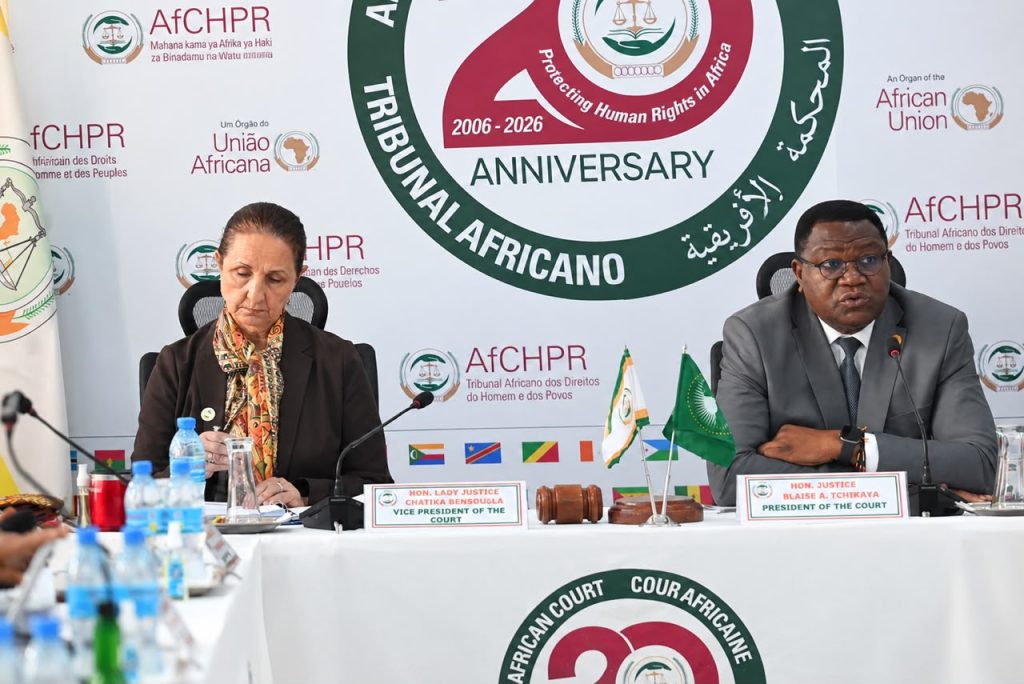
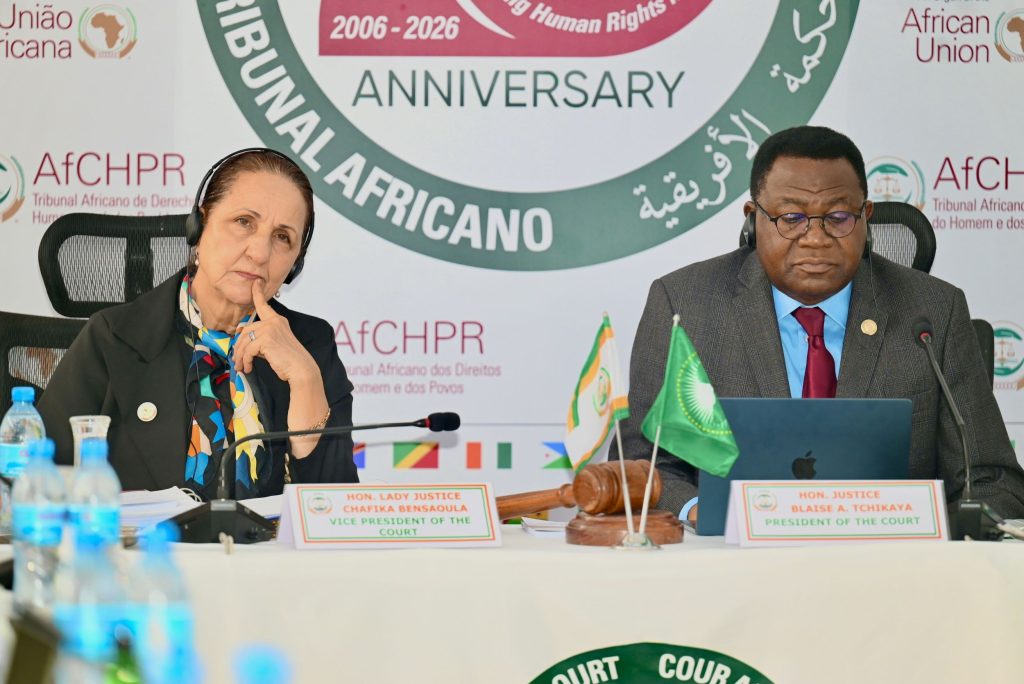
Opening the training, the President of the African Court, Hon. Justice Blaise Tchikaya, said AI is increasingly shaping the administration of justice and can support legal research, analysis of jurisprudence, day-to-day administrative work, reduce delays and improve access to justice.
“The African Court cannot remain on the sidelines as artificial intelligence increasingly shapes the administration of justice. We must harness its benefits responsibly, guided by ethics, transparency, due process and the rule of law and ensure that technology strengthens our mission to protect human and peoples’ rights in Africa,” he said.
He also cautioned that AI has limitations and risks, stressing that responsibility remains with those who use the technology and that its application in justice and human rights must be guided by ethics, transparency, due process and the rule of law.
In her opening remarks, Ms Misako Ito, UNESCO’s Regional Adviser for Communication and Information in Africa, said artificial intelligence is already reshaping many sectors and has growing implications for judicial institutions.
She cited a UNESCO survey which shows that 44 percent of judicial operators worldwide are already using AI tools such as ChatGPT in their work, yet only 9 percent have received formal guidance or training on their responsible use. She said this gap highlights the need to strengthen the capacity of judicial actors to use AI effectively and responsibly.
“Strengthening understanding of AI among judges is one of the most effective ways to safeguard human rights in an era of algorithmic governance,” Ms Ito said, adding that judicial institutions must be equipped to assess risks to fairness, transparency and privacy. “We must ensure that these systems do not perpetuate existing biases or violate privacy rights.”
UNESCO has worked with more than 38,000 judicial actors in 160 countries through its Global Judges Initiative, supporting capacity-building on international standards relating to freedom of expression, access to information and now AI and the rule of law.
Registrar of the African Court, Dr Robert Eno, placed particular emphasis on preserving human agency in the use of new technologies. According to Eno, AI presents important opportunities to accelerate legal research, improve case management and expand access to justice, but judicial institutions must also address questions of transparency, accountability, bias and data protection.
“Our task is not to choose between innovation and tradition, but to ensure that innovation strengthens tradition, that Artificial Intelligence becomes a servant of justice, never its substitute,” Dr Eno said.
The focal points for the training, Dr Kamel El Hilali, AI and Rule of Law Specialist at UNESCO Paris and Dr Mwiza Nkhata, Principal Legal Officer at the African Court, said the programme has been designed to strengthen the Court’s capacity to make informed decisions on the use of AI, balancing its potential benefits with the risks it may pose to justice and human rights.
The training also reflects the continuing cooperation between the African Court and UNESCO in areas of mutual interest, including the promotion of justice and human rights.
NOTES FOR EDITORS:
- The African Court on Human and Peoples’ Rights (AfCHPR) is a continental court established by African Union Member States to ensure the protection of human and peoples’ rights in Africa. The Court complements and reinforces the functions of the African Commission on Human and Peoples’ Rights.
- The Court is composed of eleven Judges, nationals of Member States of the African Union elected in their individual capacity. The Court meets four times a year in Ordinary Sessions and may hold Extra-Ordinary Sessions.
- The Court’s mandate includes hearing cases and disputes concerning the interpretation and application of the African Charter on Human and Peoples’ Rights, as well as any other human rights instrument ratified by the concerned States.
Further information on the Court can be obtained from www.african-court.org Telephone: +255 680 500 555
For further inquiries: Registrar, Dr Robert Eno – Registrar@african-court.org
For media inquiries: Ms. Chipiliro Kansilanga Ngue – Senior Information & Communication Officer and Head of Communication Unit Chipiliro.Kansilanga@african-court.org